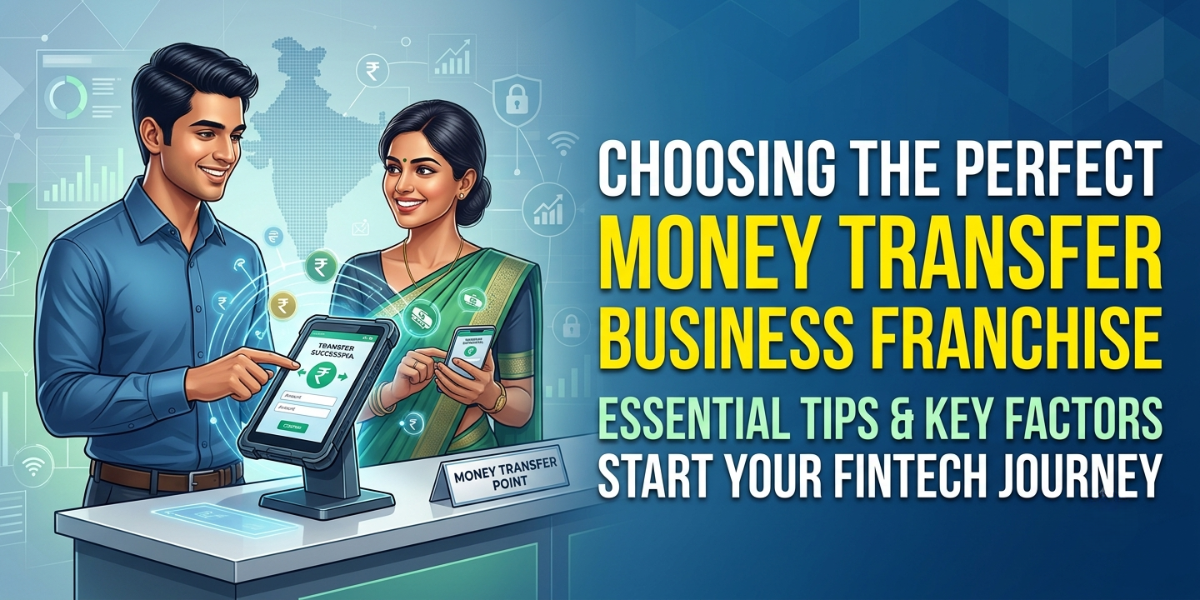
Choosing the Perfect Money Transfer Business Franchise: Essential Tips and Factors
In today’s dynamic entrepreneurial landscape, finding a sustainable business model with low upfront capital can be challenging. However, the Domestic Money Transfer (DMT) and fintech agency model has seen steady, resilient growth across India, driven by the demand for accessible financial services.
How Does the Domestic Money Transfer (DMT) Industry Function in India?
Domestic Money Transfer allows individuals—especially migrant workers and unbanked populations—to remit cash directly into any bank account across the country.
-
Walk-in Service: The sender visits a local fintech agent or Business Correspondent (BC) outlet with cash and the recipient’s bank account details or phone number.
-
Instant Settlement: The agent uses an RBI-regulated fintech portal to process the transaction instantly via IMPS (Immediate Payment Service) or NEFT.
-
Commission Structure: The agent earns a structured commission per transaction or slab, making it a scalable revenue stream for local shopkeepers and entrepreneurs.
What to Evaluate Before Choosing a Money Transfer Portal
Selecting the right fintech gateway directly impacts your profit margins and service reliability. Keep these core factors in mind:
Essential Steps to Select the Right Money Transfer Franchise
1. Define Your Business Objectives
Assess your personal and financial goals before investing:
-
Are you adding DMT services to an existing retail outlet, or launching a dedicated agent center?
-
What is your realistic initial capital investment limit?
-
What are your targeted monthly transaction volume goals?
2. Research the Franchisor’s Track Record
Before signing any agreement, evaluate the brand’s standing in the market:
-
Check third-party retailer reviews and agent feedback regarding payout transparency and portal uptime.
-
Review official marketing materials, compliance certifications, and training programs provided by the company.
3. Key Questions to Ask During Discovery / Onboarding
When speaking with franchisor representatives, clarify:
-
What training and ongoing technical support do you provide to new agents?
-
How are chargebacks, transaction timeouts, and customer disputes handled?
-
What marketing collateral (branding boards, banners, digital assets) is included with onboarding?
-
What is the typical timeline for an agent outlet to achieve operational profitability?
4. Review the Agent Agreement Carefully
Review all contractual terms before signing. Pay close attention to lock-in periods, hidden renewal fees, royalty structures, and operational guidelines. Seeking advice from a legal or financial professional is recommended before finalizing long-term contracts.
Industry Scope & Earnings Potential
India’s fintech and assisted-digital banking ecosystem continues to expand, serving millions of cash-reliant consumers nationwide.
-
Revenue Model: Agent earnings depend on transaction volumes, local footfall, and auxiliary services offered (e.g., AePS, bill payments, micro-loans). Active retail outlets typically generate recurring monthly commissions based on their daily transaction throughput.
Conclusion
Starting a Domestic Money Transfer agency offers an accessible pathway to launch a fintech-driven retail business with modest initial capital. By thoroughly evaluating platform reliability, fee structures, and franchisor support, aspiring entrepreneurs can build a sustainable, revenue-generating enterprise.
> Disclaimer: Financial returns and transaction commissions vary based on location, customer volume, platform fee structures, and individual business operations. This article is for informational purposes only and does not constitute formal financial or investment advice.